Fire hydrant systems need no introduction, but still, these systems are among the most critical fixed firefighting installations, protecting industrial, commercial, and residential buildings every single day. Do you know single standard fire hydrant can discharge 1,000 to 2,500 liters of water per minute, depending on water pressure and pipe size? That amount of water is enough to fill a small swimming pool in just a few minutes.
So no, we’re not exaggerating when we say this—fire hydrants are real lifesavers during fire emergencies. A properly designed fire hydrant system ensures the immediate availability of water when every second matters. This helps firefighters act fast, control the fire, and extinguish fires quickly and effectively.
In this blog, we clearly explain what a fire hydrant is, where fire hydrant systems are commonly installed, the different types of fire hydrants, and provide a simple fire Hydrant Installation Guide, covering design, working & maintenance explained in clear, practical, and easy-to-understand language.
Smoke Detector Manufacturer in India: Complete Guide to Quality, Standards & Compliance
What Is a Fire Hydrant System and Why Is It Important
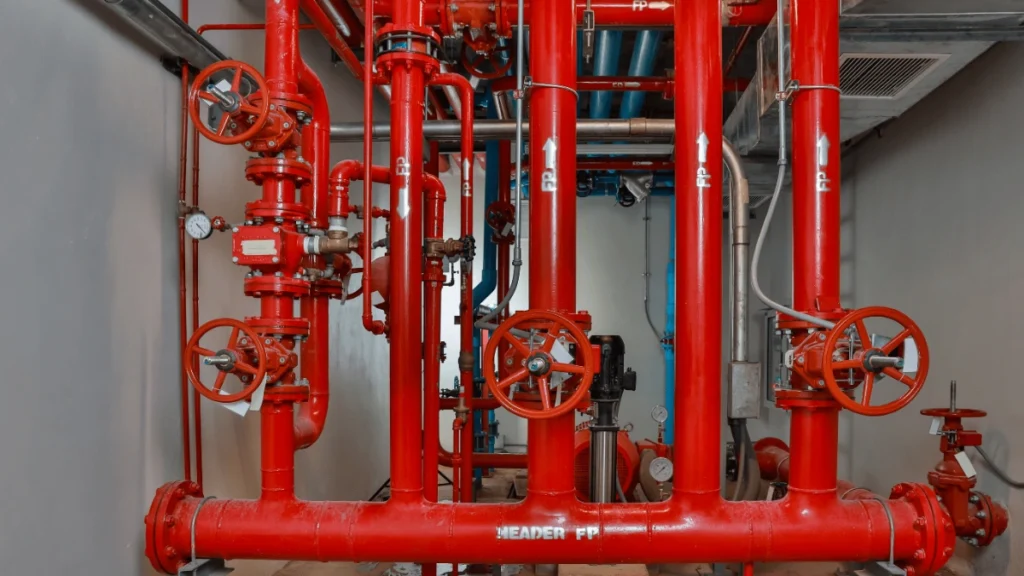
A fire hydrant system is a network of pipes, pumps, and hydrant outlets specially designed to supply large volumes of water at adequate pressure for firefighting operations. By being strategically located in various locations (urban areas, large buildings, and industrial sites ), it directly connects to the underground water supply chain. During a dangerous fire emergency, it quickly provides large amounts of water to save lives and protect property. Additionally, they are commonly installed in Industrial plants, warehouses, shopping malls, airports, high-rise residential buildings, data centers, power plants, etc., for the best fire safety.
- Quick Reaction During Emergency: Fire Hydrants provide immediate water access to firefighters.
- Protect You: Highly recommended fire-fighting device for preventing rapid fire spread and protecting lives.
- Supports Fire Brigade Operations: Strong support of firefighting equipment so firefighters can operate effectively.
- Save Your Cost: Reduce firefighting costs and insurance claims by limiting fire damage.
- Reduces fire spread and property damage: Fire hydrants are mandatory for commercial, industrial, and high-rise buildings for the best fire safety.
- Mandatory Compliance with Safety Regulations: Required by fire safety regulations and building codes to maintain safety standards.
Fire Hydrant Manufacturer in India: Complete Guide to Quality, Standards & Compliance
Fire Hydrant Systems Are Commonly Installed in:
- Industrial plants
- Warehouses
- Shopping malls
- Airports
- High-rise residential buildings
- Data centers and power plants
Top 15 Fire Extinguishers Manufacturers in India
Types of Fire Hydrant Systems in India –2026 List
Yard Fire Hydrant System
A yard hydrant system is a set of fire hydrants, underground pipes, and outdoor hydrants installed outside a building, usually around its perimeter or across an open area. It provide large amount of water to firefighters during a fire is large and spreading fire. It helps them quickly access water to control and extinguish the fire, ensuring that water is always easily available during a fire emergency. Plus, protect buildings, people, and property by ensuring water is always available during an emergency.
- Generally installed around the building perimeter.
- Highly used by fire brigade vehicles.
- Connected to the underground piping for quick water access.
- Includes hydrant valves and standposts.
Internal Fire Hydrant
Internal fire hydrants are specifically designed to supply water to interior spaces such as hallways, stairwells, and common areas. Large buildings especially need them, because fires can spread faster than gossip in an office cafeteria. With internal hydrants, firefighters can access water directly on each floor or section, without relying solely on external hydrants.
This not only saves precious time but also ensures that fire crews can respond immediately where it’s needed most. In large buildings, every second counts, and having internal hydrants can make the critical difference between controlling a fire quickly and letting it get out of hand.
- Provide quick fire response by quick access to water
- Ensure a water supply on every floor of the building
- Prevent flames from spreading to other parts
- Offer fast firefighting solutions
- Support fire crews by reducing the time and effort
Wet Barrel Fire Hydrant System
A wet barrel hydrant is a type of water fountain desigened fire hydrants used in places where freezing weather is rare. To maintain a constant supply above ground barrels at all times. It always has water inside it, so when firefighters open it, water comes out immediately. Because it is always filled and pressurized, which helps firefighters get water quickly and save time during a fire.
- Perfect for Warm cities and climates.
- Always filled with water, that make it ideal for airports and industrial zones.
- Urban cities and neighbourhoods.
- Emergency use in parks and public spaces.
- Fast and efficient in marine and post areas.
Dry Barrel Fire Hydrant System
A dry barrel hydrant is a type of fire hydrant generally made for cold areas where water can freeze. It stays empty above the ground, and water only flows when firefighters open the valve. This keeps the hydrant from freezing and ensures water is available during fire emergencies in winter or icy conditions.
- Ideal for cold and snowy cities
- Keeping homes safe from frozen hydrants
- Fire Safety in Mountain Towns and Ski Resorts
- Ensure Industrial Areas in Frosty Regions are safe in the chilliest weather conditions
Top 10 Fire Hydrant Manufacturers in India
Fire Hydrant System Design Standards and Codes Explained
| NFPA 24 | National Fire Protection Association (NFPA), USA | Installation of underground and external fire water pipelines |
| NFPA 14 | National Fire Protection Association (NFPA), USA | Low water is delivered vertically inside buildings, and control Standpipe and hose systems |
| IS 3844 | Bureau of Indian Standards (BIS), India | Indian Standard for fire hydrant systems |
| BS 9990 | British Standards Institution (BSI), UK | British fire protection standard |
| Local Fire Authority Guidelines | State / Municipal Fire Department | mandatory rules issued by the fire department |
Key Design Requirements
- Minimum Water Flow Rate: Ensure the amount of water that must come out of the system to overcome fire spread effectively.
- Required Operating Pressure: Need a minimum water pressure so the flow through the hoses reaches the fire quickly.
- Hydrant Spacing & Coverage: The distance between the hydrants and the area ensures no part of the building or site is left.
- Pump Capacity & Redundancy: Make sure that the hydrant pump is strong enough to supply the required water, and backup pumps are essential in case the main pump fails.
- Water Storage Sizing: Stored water in tanks or reservoirs ensures that enough water is available during a fire emergency.
Top 10 firefighting chemical manufacturers in India
Main Components of a Fire Hydrant System
- Water source
- Fire pump
- Pump room/pump house
- Piping network
- Fire hydrants
- Valves
- Hose boxes/landing valves
- Control panel
Top 10 Best Fire Alarm Manufacturers in India
Step-by-Step Fire Hydrant Installation Procedure
- Step 1: Site Survey & System Layout Planning: To begin with, analyze building layout and classify the hazards. Then identify the hydrant location to mark underground utilities.
- Step 2: Fire Water Tank Construction and Preparation: After that, construct an RCC or steel tank for enough water storage to install level indicators and overflow pipes.
- Step 3: Fire Pump Installation and Alignment: Next, install pumps on vibration-free foundations, then align motor and pump shafts for proper ventilation in the pump room.
- Step 4: Underground Piping Installation: Excavate trenches as per the drawing and lay the pipes with the proper slope, using thrust blocks at bends for support. Finally, carry out hydrostatic pressure testing to ensure the pipeline is leak-free and safe.
- Step 5: Hydrant Valve and Standpost Installation: Install hydrants at approved spacing to ensure easy access and visibility for protective bollards if required.
- Step 6: Internal Hydrant and Hose Reel Installation: Install landing valves at staircases and fix hose cabinets at the standard height. Then connect the hoses and nozzles, ensuring they are ready for immediate use during a fire emergency.
- Step 7: System Testing and Commissioning: Next, test pressure, flow, and pump auto-start, and wait for final inspection by the fire authority.
Top 10 Best Smoke Detector Manufacturers in India
Fire Hydrant System Maintenance Checklist and Schedule
Daily and Weekly Maintenance
Regularly check the pump room cleanliness and inspect the pressure gauge. And make sure fire hydrant valves are accessible.
Monthly Maintenance
Every month, test the operation of the jockey pump. Run the main and standby pumps to confirm proper operation. Plus, check the diesel pump fuel level to ensure it is ready for emergency use.
Quarterly Maintenance
Inspect hoses and couplings for any kind of damage, whether it’s small or big, and lubricate all valves for smooth operation. Plus, test the alarm system and auto-start to ensure they work properly during fire emergencies.
Annual Maintenance
Every year, test the full flow and pressure of the fire hydrant and clean your tank to maintain the water amount or pressure. Then complete a system audit and obtain certification to ensure compliance and readiness.
5 Main Types of Fire Safety Equipment
Top Five Safety and Compliance Tips for Fire Hydrant Systems
- Keep it Clearly Marked: Bright colors and lights can help make hydrants easy to find for the emergency crew. Use high-shine reflective paint so firefighters can easily spot them in darkness or bad weather.
- Never Block Hydrant Access: Ensure that fire Hydrants are free from obstacles so firefighters can reach them quickly during a fire emergency.
- Train Staff in Basic Operation: Always teach people or kids in society not to play around fire hydrants. Explain to them that they are emergency equipment that is used in risky situations, not typical playground toys.
- Coordinate with the local fire department: For any emergencies, always coordinate with the local fire department so they can immediately respond.
- Avoid Unnamed & Unapproved Equipment: Don’t use the wrong stuff. Only use strictly approved firefighter hoses and fittings on fire hydrants to prevent damage and ensure 100% safety.
Fire Hoses: A Comprehensive Guide
Atasee – The Best Fire Hydrant Manufacturer & Supplier In India
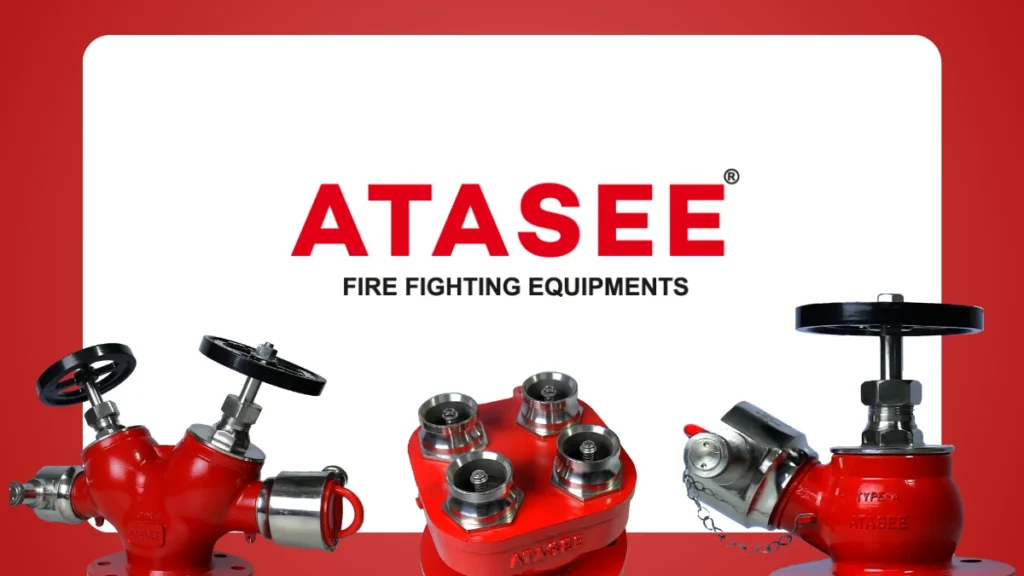
Atasee Fire Industries Pvt Ltd is an ISO & GMP certified best fire hydrant manufacturer and supplier, established in 2010, providing trusted quality fire hydrants at affordable rates. We specialize in producing, supplying, and trading various types of ISI-marked 5,000-50,000 fire hydrants per year. It includes internal fire hydrant systems, external fire hydrant systems, wet barrel hydrants, dry barrel hydrants, standpipe (Pillar) hydrant, underground hydrant, flush hydrant, etc.
Plus, every fire hydrant comes with an 18-month warranty, so you can buy with confidence. Each unit is carefully packed in safe, secure, and damage-proof packaging to make sure it reaches you in perfect condition. We deliver fire hydrants through reliable courier services to airports, metro stations, IT parks, residential societies, and industrial areas without any hassle.
And if you ever receive a product that’s damaged or defective, don’t worry—we’ve got you covered. Just reach out to our customer support team within 14 days of delivery, and we’ll be happy to replace the product or process a full refund.
We are committed to fulfilling clients’ requirements, saving property, and the lives of people. All our fire safety products are manufactured by professional vendors following international quality standards and using high-grade raw materials. Moreover, Atasee manufactures safety products that are widely used by various industries such as electronics, electrical, textile, automobile, and food processing industries.
- Multiple Services in One Place: They offer a wide range of services, including fire extinguisher refilling, installation, inspection, and comprehensive AMC support.
- GMP Certified Manufacturing Unit: Well-equipped GMP-certified manufacturing units with modern machines and tooling, enabling precision in casting, machining, and testing.
- High-Quality Products: Focus on delivering high-quality fire hydrants while always following the rules and regulations. All fire hydrants are available at competitive pricing without negotiating for safety and quality.
- Raw Materials: To produce the best product, they use high-grade materials to ensure long-lasting performance.
Top 10 Best Fire Extinguisher Ball Manufacturers in India
People Also Ask
Who is responsible for installing fire hydrants?
People have a responsibility to maintain fire hydrants. But in a public area, local municipal bodies such as fire departments are responsible for installing fire hydrants. On the other hand, in private buildings and complexes building owner, developer, or facility manager (with approval from local authorities) is responsible.
Who is the best manufacturer and supplier of Fire Hydrants?
Choose Atasee, the best fire hydrant manufacturer and supplier in India. They are known for innovative hydrants, durability, top-performance fire safety tools, and best production.
What is the average life of a fire hydrant?
With proper maintenance, a good-quality fire hydrant manufactured by Atasee can last 20–30 years.
How often should fire hydrants be tested?
Generally, it is recommended that fire hydrant systems be tested every 6 months to ensure proper pressure, flow, and functioning during emergencies.
How do fire suppression hydrants get water?
They are directly connected to the municipal water main or a dedicated fire water tank. For firefighting, it is opened by an experienced firefighter, and water flows through hidden pipes under high pressure.
Final Thoughts
Quality fire hydrants are in high demand across many industries because they, without a doubt, help save lives and protect property during fire emergencies. We hope this blog, “Fire Hydrant Installation Guide: Design, Working & Maintenance Explained,” helps you get the information you were looking for.
Stay connected with Atasee for more updates and insights on fire safety solutions. If you’d like to enjoy fire hydrant manufacturing services in India, just give a call at +91 94172 77276 or email us at ataseefireindutries@gmail.com. We hope you found this blog informative and helpful.